 Leaders Loop
Skills Toolkit
Plain-English explainers on the core knowledge and tools of leadership, and a short Skill Check after each one, so you can prove you've got it and earn badges, awards & Leaders Loop Credentials you can share.
Browse the ToolkitLeaders Loop brings together a practical skills toolkit, in-depth profiles of the people who shape great organisations, expert-led learning groups, and a free 360° app that shows you how you actually lead, so learning never stops at the last page.

Read to think differently, get inspired by leaders worth learning from, learn with peers in expert-led groups, then ask the people around you for an honest 360° picture of how you lead.
Plain-English explainers on the core knowledge and tools of leadership, and a short Skill Check after each one, so you can prove you've got it and earn badges, awards & Leaders Loop Credentials you can share.
Browse the ToolkitIn-depth editorial profiles of prominent leaders: what shaped them, the calls that defined them, and the lessons that hold up when you put them under the light.
Meet the leadersExpert-led group sessions where a small cohort deep-dives one topic together, pairing the frameworks with real decisions, discussion and debate you can take straight back to work.
Book a learning groupA free 360° leadership assessment. Rate yourself across 38 leadership behaviours, each on how effective and how consistent it is, invite your manager, peers and team to weigh in anonymously, then get a report that maps your strengths, blind spots and where to focus next.
Try the LoopClear, jargon-free guides to the things great leaders actually do, each one a quick read you can use the same day. When you're ready, a short, friendly Skill Check helps it stick, and completing the checks in a module earns you a Leaders Loop Credential to show for it.
Integrity isn't a trait you either have or lack. It's a decision made under load, and the research is clear about what bends the wire and how to keep it straight.
Succession isn't a chart you fill in on the way out. It's the quality of the leaders you grow while you're still in the chair, and most of that growth happens in the work you hand them, not the plan you write about them.
Composure isn't a calm temperament you're lucky enough to be born with. It's a set of habits that keep your good judgement online when stress is actively trying to switch it off, and they can be practised.
Values-based leadership isn't the poster in reception. It's a short list of principles you can actually act on when acting on them costs you something, and the discipline to do it consistently enough that people believe you.
Most managers say they want to grow the next leaders. Few of them turn that intention into a plan you could point to. The gap between the wish and the plan is where good successors are either made or quietly lost.
Three words that get used interchangeably and badly. They are not the same thing, the research treats them differently, and a leader who confuses them tends to overshare, dither, or freeze at the exact moment a team needs steadiness.
There is no single right way to handle a disagreement, only a right way for the situation in front of you. The Thomas-Kilmann model gives you five named options and a way to choose between them on purpose, instead of reaching for the same reflex every time.
Most meetings fail at the moment they're booked, not because the facilitator is dull, but because nobody decided what the session was actually for.
The instinct after a mistake is to explain, soften and spread the blame. The leaders people keep trusting do the opposite, they name what went wrong, own their part of it without flinching, and move straight to the fix.
Capability isn't something you send people away to acquire. It's something you build into the work, by handing out the right hard problems, then standing close enough to help and far enough to let them struggle.
Reputation isn't won in the good times; it's defended in the bad ones, and the leaders who come out intact are usually the ones who told the story first, plainly, and on their own terms.
The board can hire you, fire you, and second-guess every big call, yet it can't run the company, and shouldn't try. Managing that relationship well is less about better reporting and more about a few habits that build trust before you need it.
In-depth editorial profiles (the decisions, the context, and the durable lessons) from founders and operators to chairs and CEOs.
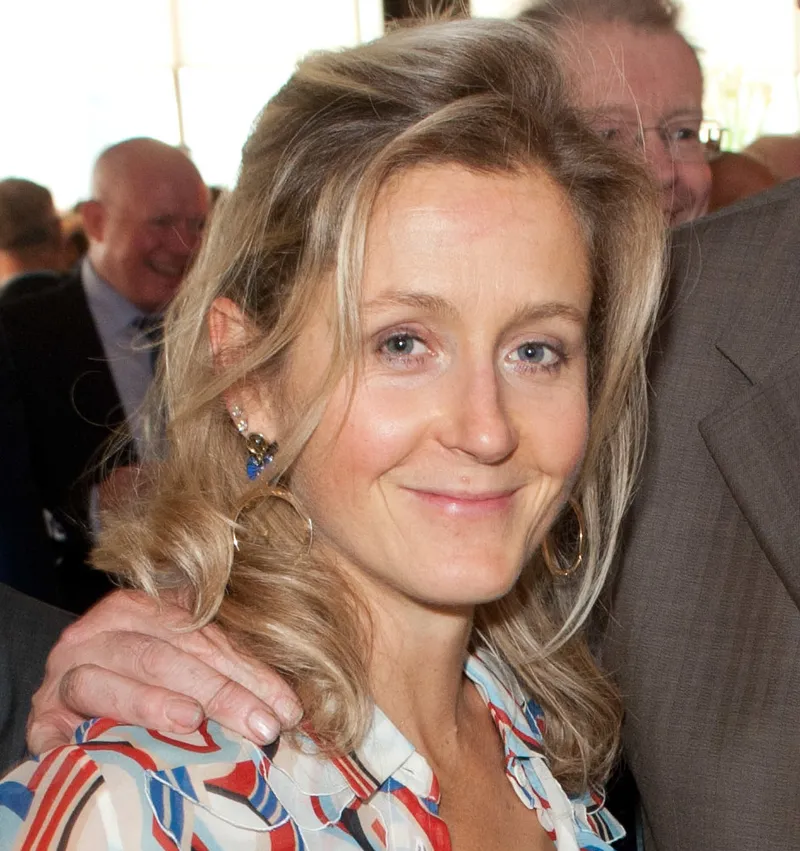
A decade before "tech ethics" became a boardroom phrase, Martha Lane Fox stood under the lights of the Science Museum and asked Britain a simple, awkward question: if the internet is going to run our lives, who is going to make sure it runs them well?
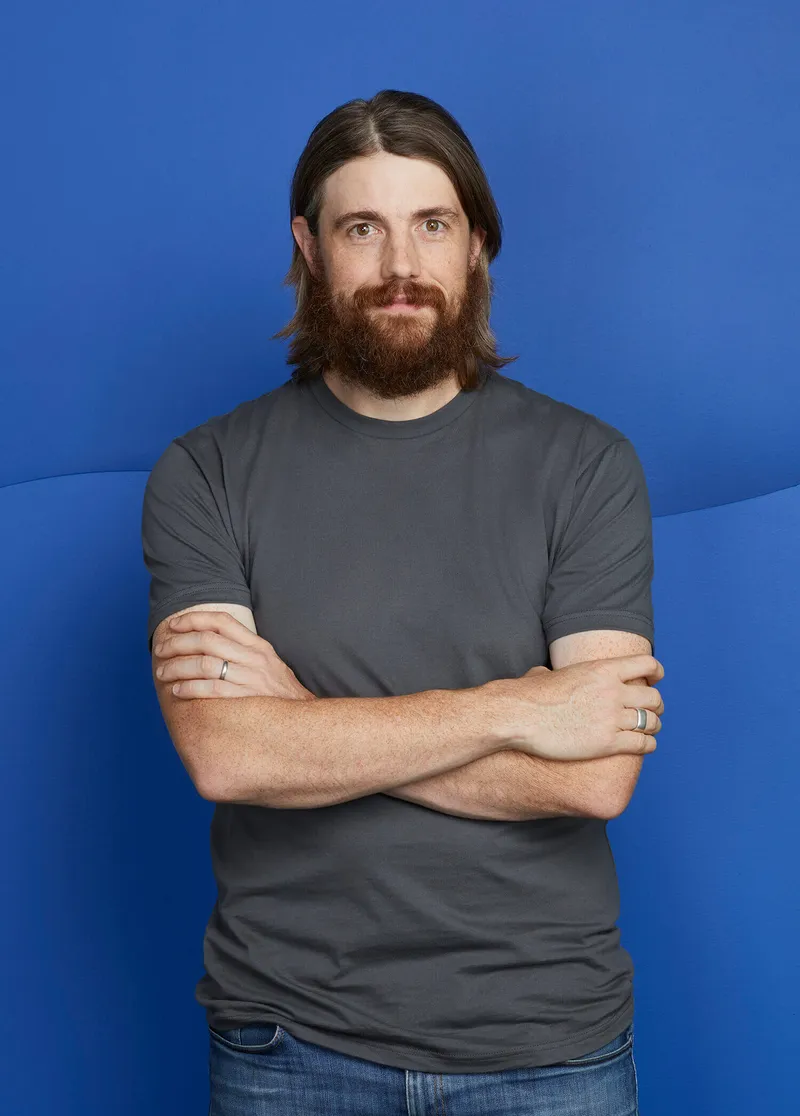
As the corporate world marches employees back to their desks, Atlassian's now-sole CEO has done the unfashionable thing: he counted. A thousand days of company-wide remote work, measured and published, became his argument that the real question was never the building, it was the way the work gets done.
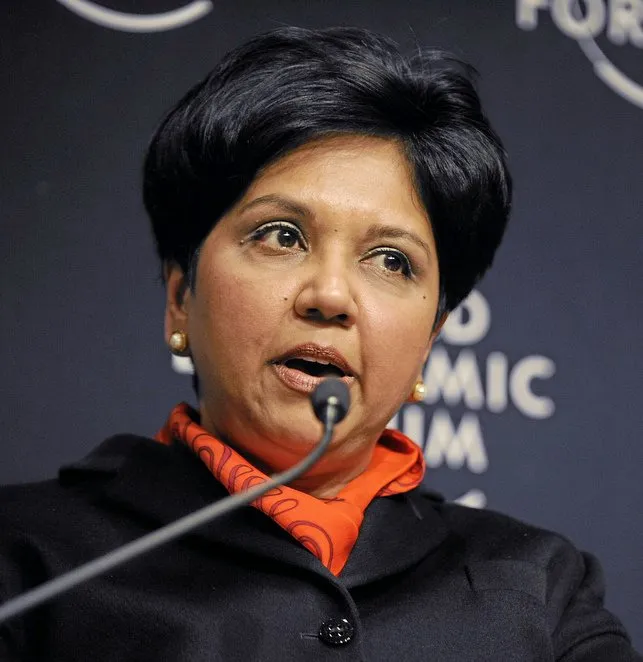
Most chief executives talk about treating employees as whole people. Indra Nooyi, who ran PepsiCo for a dozen years, did something stranger and more concrete: she wrote to their parents. It is the smallest gesture in a very large career, and the one that explains the rest.
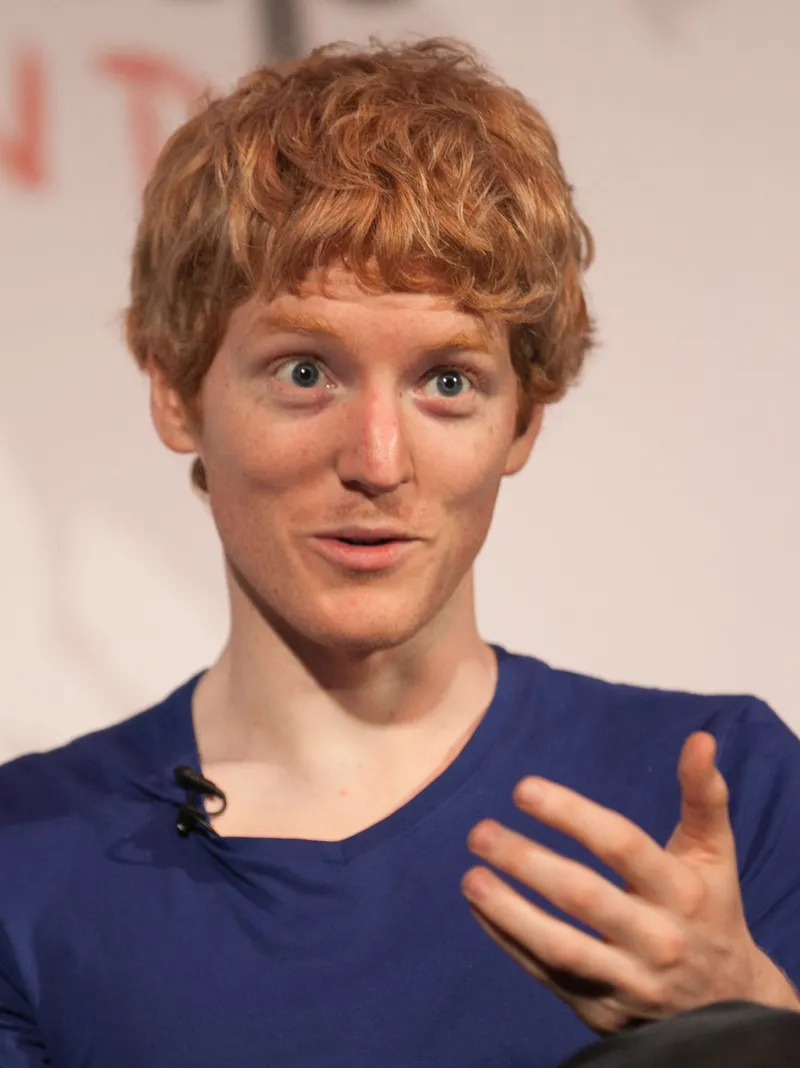
In the summer of 2019 the co-founder of Stripe published a magazine essay arguing that humanity's most important subject, progress itself, was barely being studied. The piece launched a movement. It also revealed the idea that has run quietly through everything Patrick Collison has built.

She was turned down by more than a hundred investors before a word of yes. A decade on, the Canva co-founder runs her company on a plan she can recite in a single breath: build one of the world's most valuable companies, and do the most good she can with it.
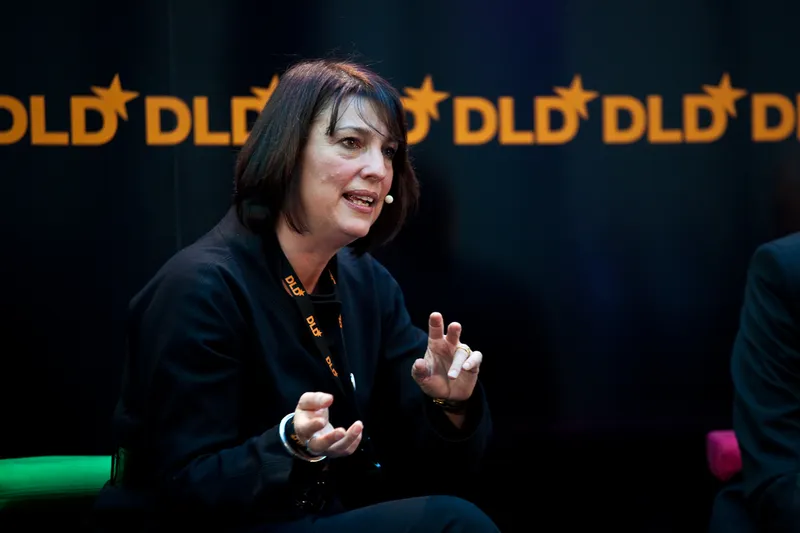
From a childhood between Bangalore and Singapore to the chief executive's office at two FTSE-100 companies, Dame Carolyn McCall has spent her career refusing the comfortable story. The "have it all" myth, she argues, is exactly that, a myth, and the only honest answer to it is diversity that is built into the structure and counted, not sloganised.

Most leadership books promise a formula. Ben Horowitz wrote the one that admits there isn't one, a candid account of layoffs, demotions and near-death pivots that grew out of a blog and reshaped how a generation of founders talk about the job.
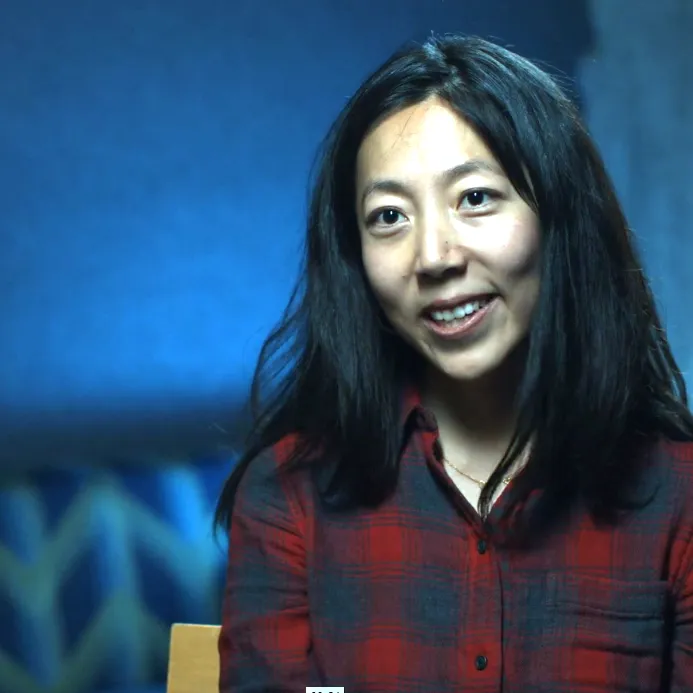
She was twenty-five when Facebook made her a manager, and not at all sure she was ready. A decade later she wrote the book she had needed that day, and it became the one first-time managers everywhere now reach for.
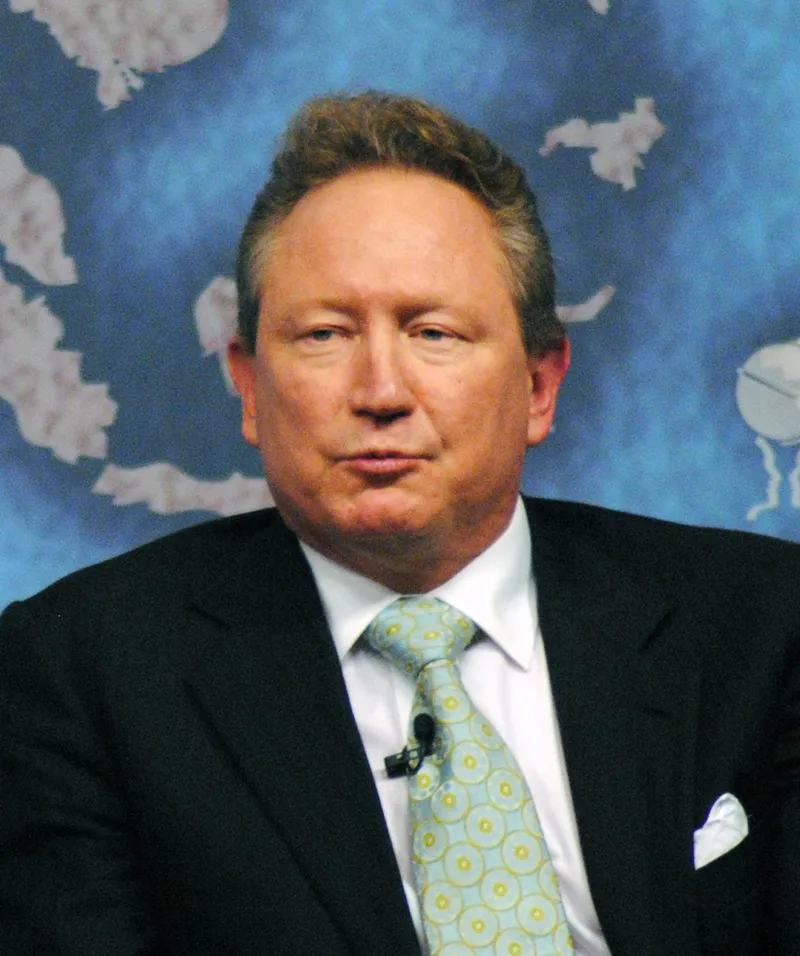
A fossil-fuel billionaire took the ABC's most prestigious lectern, titled his opening lecture Oil vs Water: Confessions of a Carbon Emitter, and admitted he was part of the problem, then bet his iron-ore empire on green hydrogen and a deadline most of his peers think is impossible.
Cathay Pacific's head of design has spent a career building digital journeys for millions of travellers around a conviction most boardrooms still mistake for a soft skill, that design is empathy, made disciplined. The catch, he says, is that the simplest outcomes are the hardest-won.
The research most organisations trust tells them what customers say. Angela Bliss, Head of Behavioural Science at NAB, has built a career on a more uncomfortable question, what those same customers will actually do, and on the science of closing the gap between the two.
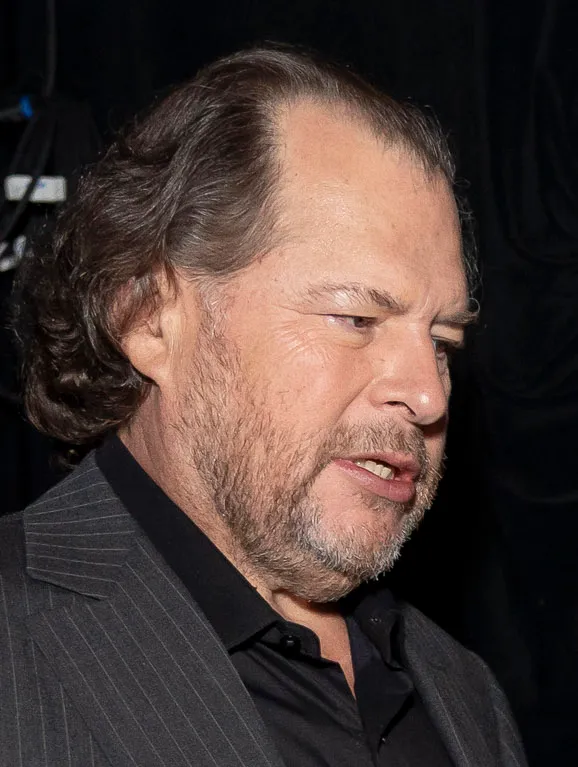
Most companies bolt giving on once they are rich. When Marc Benioff founded Salesforce in 1999 he did the opposite, he wrote charity into the founding documents, pledging one percent of the company's equity, product and people's time before there was much of any to give. The idea outgrew the company.
Reading the Skills Toolkit and Leadership Profiles is always free, and so are the foundational Skill Checks. Leader adds quarterly 360s, the complete report and every Skill Check (with Credentials & LinkedIn sharing). Senior Leader lets you run 360s for up to 5 leaders you manage, with 10% off every learning group. Enterprise scales it across your whole organisation.
| Free £0Always free | Leader £50/yrBilled annually | Senior Leader £100/yrBilled annually | Enterprise CustomTailored to you Enquire | |
|---|---|---|---|---|
| Skills Toolkit & Leadership Profiles | ✓ | ✓ | ✓ | ✓ |
| Foundational Skill Checks | ✓ | ✓ | ✓ | ✓ |
| Advanced Skill Checks | ✕ | ✓ | ✓ | ✓ |
| Credentials & LinkedIn sharing | ✕ | ✓ | ✓ | ✓ |
| 360s on yourself | 1 / year | 4 / year | Unlimited | Unlimited |
| Stakeholder invites per 360 | Up to 3 | Unlimited | Unlimited | Unlimited |
| Report depth | Snapshot | Full report | Full report | Full report |
| Run 360s for leaders you manage | ✕ | ✕ | Up to 5 (+ add seats) | Unlimited |
| Managed leaders get full access | ✕ | ✕ | ✓ | ✓ |
| Learning-group booking discount | ✕ | ✕ | 10% off | Preferential rates |
| Priority support & onboarding | ✕ | ✕ | ✕ | ✓ |


